Healing is Not Linear
As an embroidery designer with years of experience, I’ve seen countless designs come and go. But when I first laid eyes on the Healing is Not Linear machine embroidery design, I knew it had the potential to become a meaningful staple for small clothing brands and handmade businesses alike.
This design isn’t just a visual statement—it’s a message that resonates deeply with the mental health awareness movement. Its clean, thoughtful layout makes it versatile enough to work on a range of products, from t-shirts to scarves. But today, I’m focusing on how it translates to sweatshirt embroidery, especially for a boutique brand looking to create a limited drop of premium apparel.
The First Impression: Mood, Layout, and Detail Level
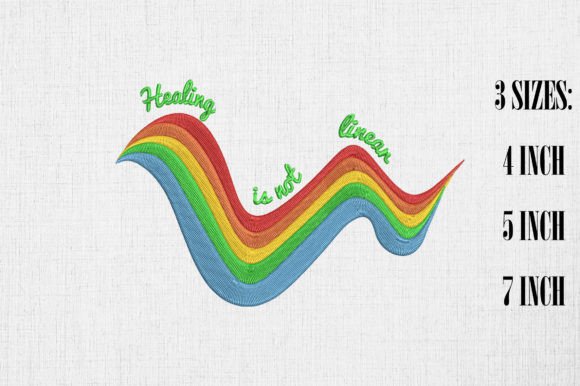
The Healing is Not Linear design immediately conveys a sense of calm and introspection. The text is elegantly spaced, with a slightly handcrafted feel that suggests a personal touch. It doesn’t scream; it whispers. This makes it ideal for neutral-colored sweatshirts, where the design can stand out without overpowering the fabric.
On dark fabric, the design has a subtle yet striking presence. On pastel colors, it adds a soft, sophisticated accent. The detail level is just right—enough to be recognizable but not so intricate that it becomes overwhelming. The stitching personality leans toward minimalism, which aligns well with modern, casual aesthetics.
How Healing is Not Linear Works for Sweatshirt Embroidery
For a small shop product or custom apparel, the Healing is Not Linear design offers multiple placement options. On an oversized hoodie, it could serve as a chest piece, adding a touch of elegance without being too bold. As a sleeve accent, it brings a quiet sophistication. And on the back, it can make a strong, memorable statement.
When considering lifestyle product photography or Etsy listings, this design is highly visual. It pairs well with printable mockups, allowing for quick and effective previews. Whether you’re creating a seasonal collection or a limited run of cozy apparel, the design feels at home in both casual and premium settings.
Practical Designer Concerns: Thread Colors and Stitch Density
One of the first things I check when evaluating a machine embroidery design is the thread color contrast. The Healing is Not Linear design seems to have been thoughtfully designed with this in mind. It works well with both light and dark fabrics, and the stitch density is balanced enough to avoid puckering or distortion on delicate materials.
Stabilizer choice is another key factor. For lightweight sweatshirts, a medium-weight cutaway stabilizer should suffice. For thicker fabrics, a tear-away might be more appropriate. The design also appears to be optimized for small-size readability, making it suitable for custom apparel branding on smaller areas like sleeves or collars.
Hoop Size and Fabric Thickness Considerations
Depending on the hoop size, the Healing is Not Linear design may require careful placement to ensure even stitching. If you’re working with a larger hoop, it’s important to check that the design fits comfortably within the hoop’s boundaries to avoid any misalignment during the embroidery process.
Fabric thickness also plays a role. Heavier sweatshirts may need additional stabilizer support, while lighter materials may benefit from a lower stitch count to maintain flexibility. The design itself doesn’t seem to be overly dense, which is a plus for commercial embroidery projects where durability and comfort are essential.
Washing Durability and Commercial Use
As an embroidery shop owner, I always consider how a design will hold up after repeated washes. The Healing is Not Linear design appears to be constructed with this in mind. Its clean lines and moderate stitch density suggest it will maintain its shape and clarity over time, making it a reliable choice for a boutique brand’s long-term product line.
For small business owners and Etsy sellers, this design feels strong enough for commercial use. It doesn’t look cheap or flimsy, which is crucial for maintaining the perceived value of handmade products.
Impact on Brand Identity and Customer Engagement
The Healing is Not Linear design has the potential to significantly impact brand identity. It speaks to a growing audience that values authenticity, mental health awareness, and thoughtful design. When paired with the right messaging, it can enhance customer engagement and foster a deeper connection between the brand and its audience.
For a handmade product or small shop product, this design adds a layer of emotional depth that goes beyond mere aesthetics. It encourages conversation and can help build a loyal following. Whether it’s used on a cozy seasonal sweater or a minimalist hoodie, it carries a message that resonates.
Final Thoughts: A Design That Speaks Volumes
In the world of custom apparel and digital embroidery file sales, not every design stands out. But Healing is Not Linear does. It’s a thoughtful, well-crafted machine embroidery design that balances simplicity with meaning. For boutique brands, it’s a powerful tool for storytelling and brand recognition.
If you’re an embroidery shop, a craft seller, or a creative entrepreneur, this design is worth exploring. It has the versatility to fit into a wide range of products and the emotional weight to make a lasting impression. Just remember to check the embroidery file formats and hoop size details before production to ensure a smooth workflow.
Ultimately, Healing is Not Linear isn’t just a design—it’s a statement. And for the right brand, it could be the perfect addition to their next limited drop.